 Lucrezia Laccetti
Local adaptation & intraspecific variation
How within- and among-population variation builds adaptive potential, and how the geographic mosaic of biotic and abiotic pressures drives differentiation among populations.
Research
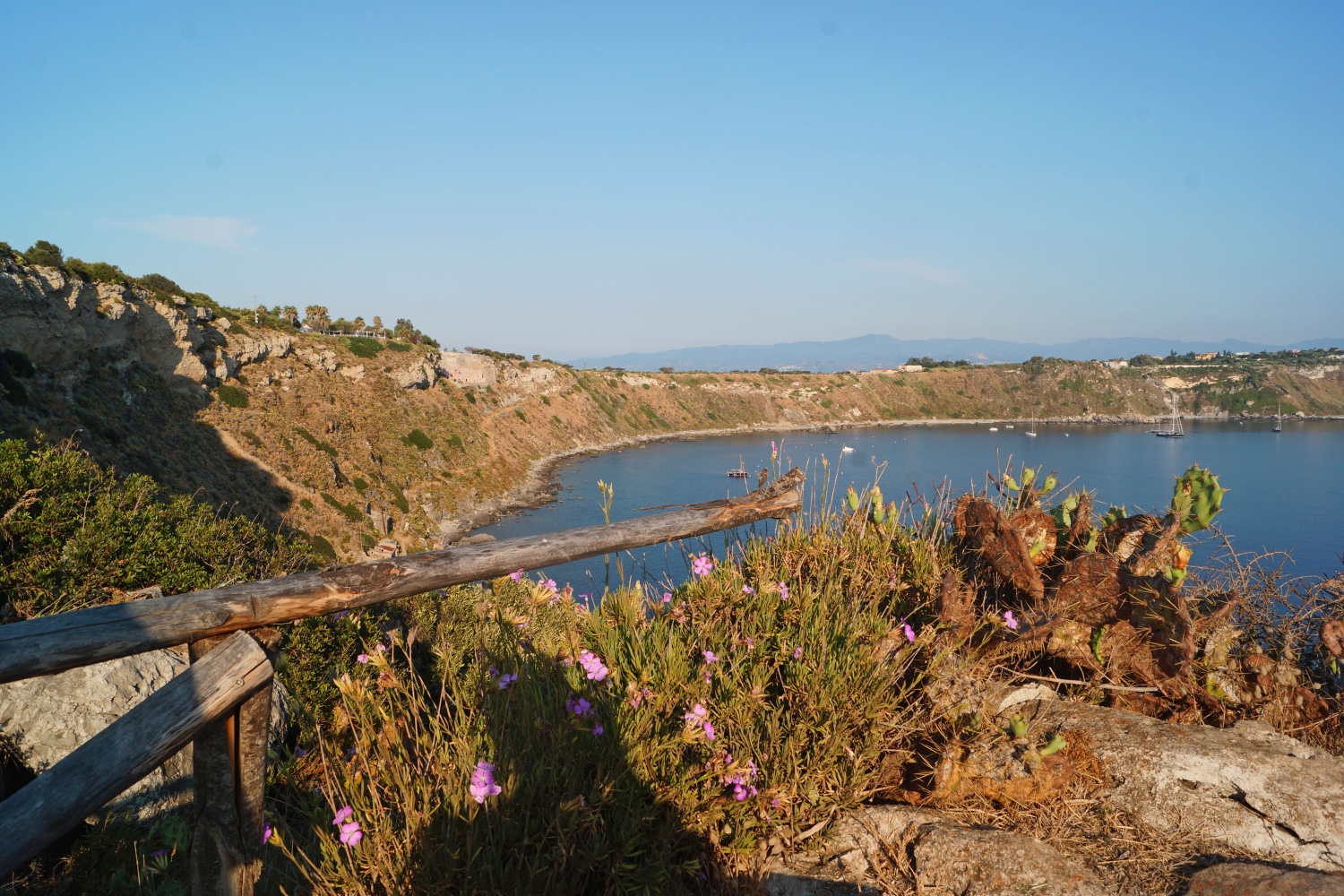
Research programme
How within- and among-population variation builds adaptive potential, and how the geographic mosaic of biotic and abiotic pressures drives differentiation among populations.
Whether adaptive phenotypic plasticity allows plants to colonise novel environments and buffer rapid environmental change within and across generations.
The early phases of divergence — from the build-up of reproductive barriers to ecotype formation — in rapidly evolving Mediterranean plant complexes.
Central theme
In species with fragmented distributions, populations separated by only a few kilometres often differ consistently in germination requirements, tolerance to abiotic stress, floral phenotype and reproductive success. Common-garden and transplant experiments indicate that a substantial part of this differentiation is heritable and locally adaptive, and genomic analyses associate it with the environmental gradients that select for it. Quantifying this standing variation, and the rate at which selection and phenotypic plasticity can act upon it, is a prerequisite for predicting which populations can track ongoing environmental change and which are likely to decline.
Study systems
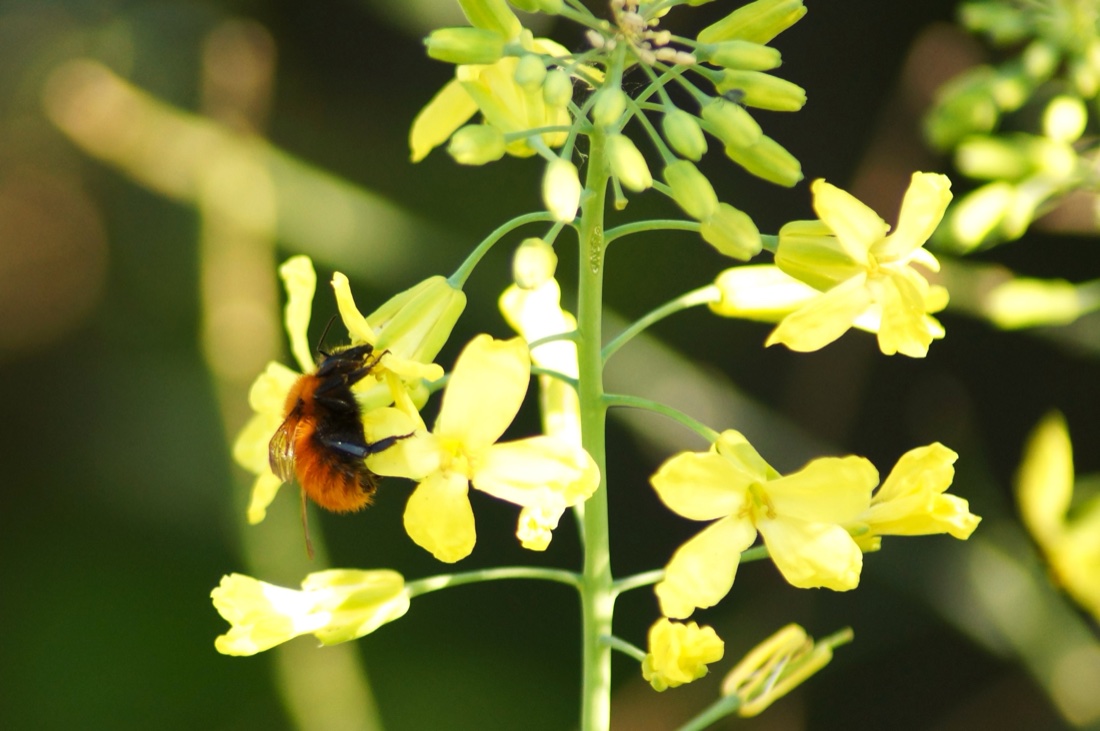
A wild cliff-dwelling crucifer and crop relative — a model for seawater tolerance, germination ecology and genomic adaptation in fragmented populations across coastal and inland cliffs.
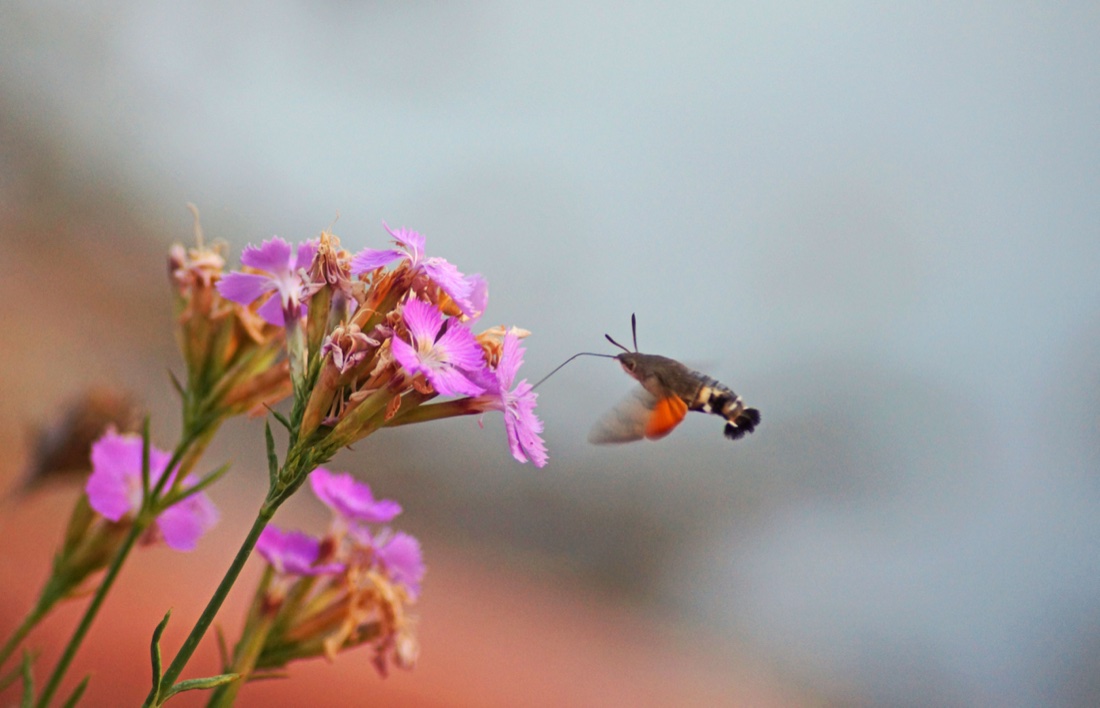
A Mediterranean cliff carnation whose populations are rapidly diverging — a natural laboratory for ecotype formation, postzygotic isolation and genome-size evolution.
Approach
My work spans scales and methods. I combine fieldwork, experimental approaches and genomics to understand the evolutionary trajectories of Mediterranean plants.
Principal Investigator
2026 – 2027 · L'Oréal-UNESCO
Insect communities are changing faster than the plants that depend on them. This project asks whether wild plants can track that change: how flowers, rewards and reproductive success respond when the pollinators and antagonists visiting a population are replaced, and what this means for the persistence of plant populations under climate change.
L'Oréal-UNESCO “For Women in Science” Award · 20,000 € · Department of Biology, University of Naples Federico II
2022 – 2023 · European Space Agency
Where two plant lineages meet, they leave a signature that is visible from above. This project paired high-resolution remote sensing with deep learning to detect and follow contact zones between lineages over areas that field surveys alone cannot cover.
European Space Agency (ESA) · Project PP0085155 · 6,500 € · Co-PIs: G. Scopece, G. Ruello
Networks
2026 – · Comunidad de Madrid
Unravelling evolutionary changes in endemic cliff plants: how long-lived, isolated populations of Iberian cliff endemics respond to climate and land-use change.
Atracción de Talento César Nombela · PI: Martí March-Salas · Universidad Rey Juan Carlos
2026 – · Global initiative
A globally distributed experiment on thermal strategies in a cosmopolitan plant, testing how one widespread species adjusts to the range of climates it occupies.
Collaborative research initiative
2025 – · National Geographic
Genomic perspectives on domestication and feral diversity in Brassica oleracea, placing my work on wild crucifers in a crop-relative context.
PIs: M. Mabry & S. Abrahams
2025 · PRIN 2022 PNRR
Parallel adaptation of plants to urban pollinators: whether plants in different cities converge on the same responses to urban pollinator communities.
Italian Ministry of University and Research · PI: Giovanni Scopece
2025 – · FAPESP, Brazil
Ecology and evolution of island plant species, reconstructing how the flora of a Brazilian land-bridge island assembled and diverged.
São Paulo Research Foundation · PI: Fabio Pinheiro
2023 – 2024 · COST Action
A European network on the conservation of threatened plants, contributing data on the pollinators and flower visitors of threatened European species.
COST Action CA18201